Sample Energy Consultation Report
Sarah's home is the classic 1970s two-story story — well-built but never formally air-sealed, with insulation that meets the standards of the era it was framed in, not the standards of the climate it actually sits in. The mechanicals are honest and aging predictably. The good news is that the highest-impact move here costs less than you'd expect and pays back faster than the rest of the list. If only one thing happens this year, it's the attic.
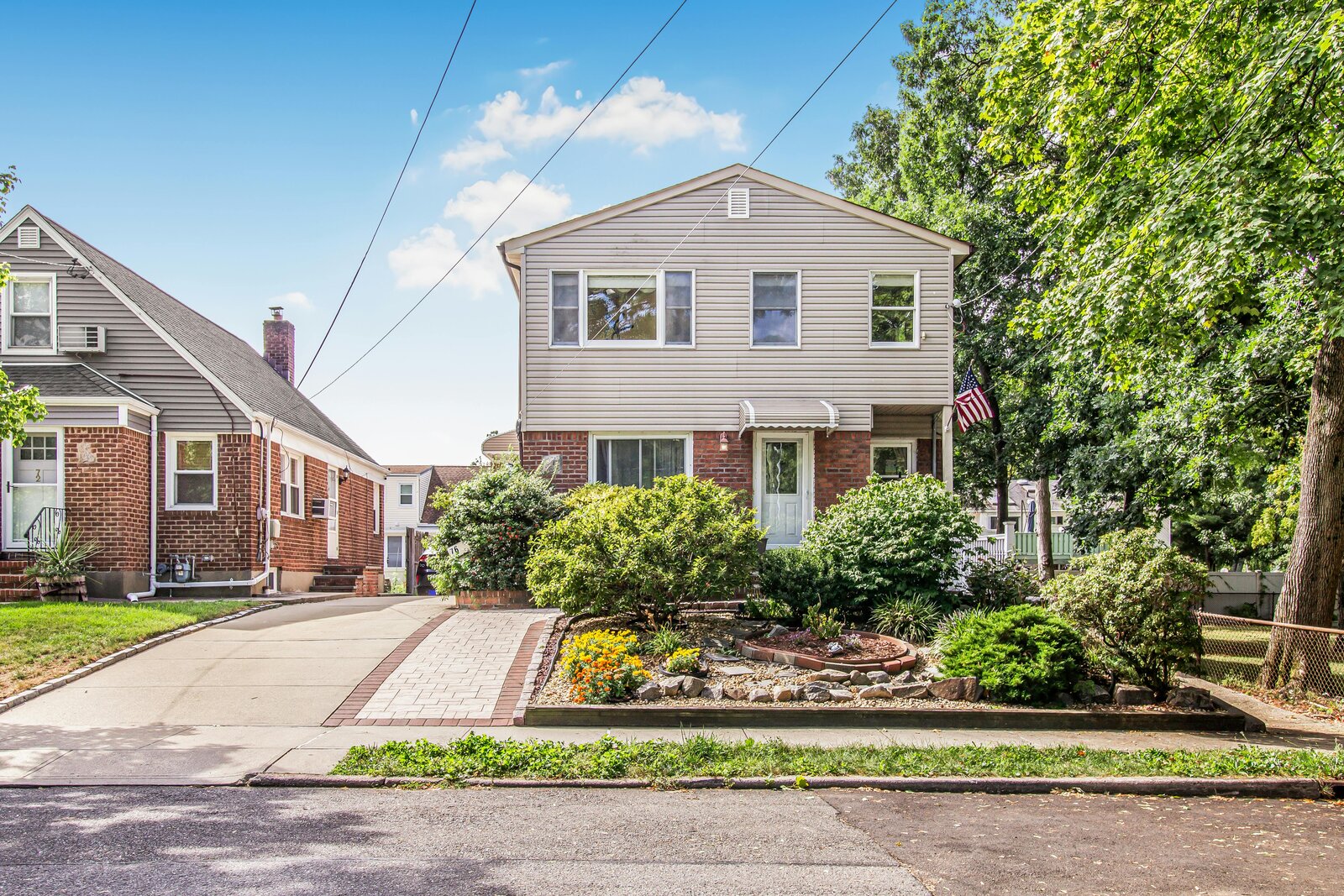
A 1975-vintage two-story on a partial basement, in a part of the country with real winters. The envelope is original framing with one round of window replacements somewhere around 2005. Mechanicals are mid-life — old enough to be planning their replacement, recent enough that you don't have to do it tomorrow.
Ranked by impact and ease. If you only do the first one this year, you've still moved the needle. Costs and savings are honest ranges based on AkWarm modeling and typical contractor pricing for homes like yours — not guarantees.
Your attic is sitting at roughly R-19 — what was code in 1975 and what's now about a third of what your climate zone deserves. The hatch isn't gasketed, and the photos show standard penetrations (recessed lights, plumbing stacks, ductwork chase) that haven't been air-sealed. Sealing those penetrations and topping up to R-60 with blown-in cellulose is the single highest-leverage move on this entire list. It cuts heating cost, makes the upstairs bedrooms more comfortable in January, and reduces ice damming.
Your current 50-gallon electric tank is on borrowed time and using about three times the energy a heat pump water heater would use to do the same job. Your basement runs around 60°F most of the year, which is well within the operating sweet spot for a HPWH. Federal tax credits (Section 25C) cover 30% of the cost up to $2,000, and most utilities in your region run rebates of $500–$1,200 on top. After incentives this is often a near-break-even on day one of installation.
Your furnace will likely fail in the next 3–8 years. When it does, you'll have a real choice to make: replace with another high-efficiency gas furnace, or move to a cold-climate heat pump (with or without gas backup). Doing the attic work first changes the math — a smaller, less expensive heat pump can heat a tighter, better-insulated home. Don't replace until you have to, but don't let it fail in February either. Get quotes in both directions a year before you expect to need it.
The basic programmable from 2010 is fine, but a modern smart thermostat with a learned schedule, away-detection, and night setback will pull another small but real number out of the heating bill. The bigger value is that it teaches the house's behavior back to you — useful information when the furnace question comes up in #3.
Walls are original 2x4 framing — likely R-13 fiberglass batts. Not worth disturbing unless you're already opening walls for another reason. Windows were replaced around 2005 with mid-grade vinyl double-panes — fine, not great, and not your money's best home right now. The big envelope opportunity is the attic, addressed above. Below grade, the rim joists in the basement showed visible daylight at a couple of points in your photos and would benefit from spray foam at the same time the attic gets done.
80% AFUE single-stage gas furnace, properly sized for the current envelope, with ductwork running mostly through the conditioned basement (good). Some daylight visible at duct seams in the photos — sealing those during any service visit is worth the small cost. No zoning. The unit is ~12 years old; expect another 3–8 years.
13 SEER central AC of similar vintage, paired with the furnace. When the heating side gets replaced, this gets replaced with it — the cooling decision rides along with the cold-climate heat pump conversation in priority #3.
Addressed in priority #2. Current unit is operating fine, just inefficiently for the work it's doing.
Bath fans are builder-grade and noisy enough that they probably get used less than they should. Kitchen range hood recirculates rather than venting outside — a noticeable air-quality and moisture issue in winter when windows stay closed. No whole-house mechanical ventilation, which is appropriate for the current leakiness of the envelope but becomes worth a conversation if you do significant air sealing in priority #1.
Lighting is ~80% LED already, which is where you want it. Major appliances (dishwasher, refrigerator, laundry) are in the 5–10 year range and don't represent a meaningful efficiency play unless one fails. Thermostat is addressed in priority #4.
The general rule is air seal first, then insulate, then upgrade equipment. Your house follows the rule. Doing the envelope work first means your eventual replacement furnace (or heat pump) can be smaller and cheaper, and any heat pump conversation gets meaningfully easier once the load is reduced.
Pick a time for your follow-up call. We'll go through this report together, answer questions, and make sure you know exactly where to start. As you start working with contractors or hit a wall on something, email me — I'm here for the long stretch, not just the call.
Book your follow-up callOr reach out anytime: matt@casatern.com
This report is a professional consultative opinion based on the photos you shared, the intake conversation, and energy modeling using AkWarm. It is not a substitute for an in-person inspection, a building official's review, or a code-mandated audit.
Cost ranges, savings ranges, and payback estimates reflect typical conditions and pricing for homes like yours and are subject to change based on local labor and material costs, fuel prices, contractor pricing, and the actual condition of components we couldn't see directly. Numbers are honest ranges, not guarantees.
Recommendations are intended to help you prioritize and ask better questions of contractors. They are not engineering specifications and should not be used in lieu of design work for major mechanical or structural changes.
Rebates, tax credits, and program details cited reflect what's available at the time of this report. Programs change — verify current eligibility and terms before relying on them in your budget.
This is a sample report. The customer is fictional and the home is composite. Numbers are illustrative — your actual report will be modeled around your specific home.
Questions? Email matt@casatern.com.